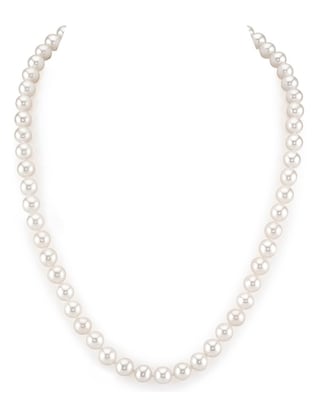
How to Choose Pearls by Occasion & Significance
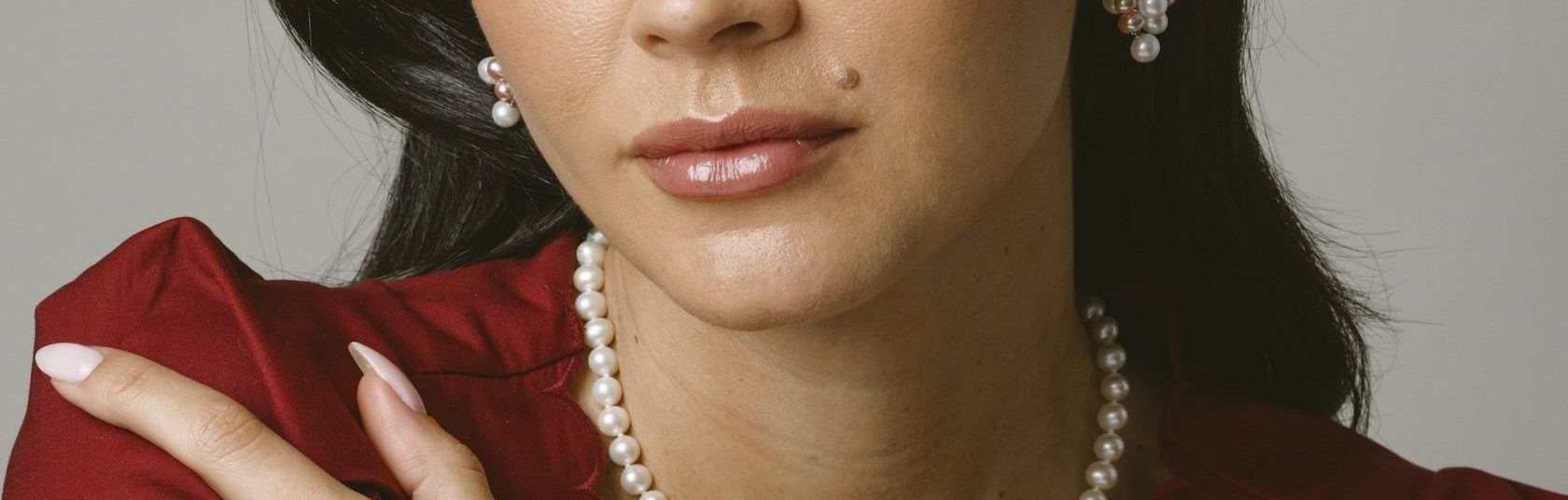
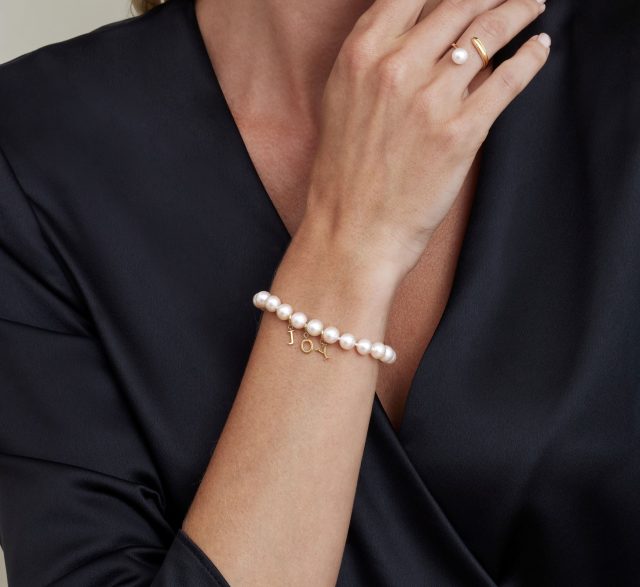
Pearl jewelry is typically selected based on the occasion, level of formality, and how the piece will be worn over time. Certain pearl types and styles are consistently preferred for specific events, while others are chosen for versatility or long-term wear.
Understanding these patterns makes it easier to select pearl jewelry that feels appropriate, practical, and aligned with the significance of the occasion.
This guide explains how different types and styles of pearl jewelry are typically selected for major life occasions and meaningful gifts.
Use the sections below to match the occasion with appropriate pearl styles, understand the differences between pearl types, and apply simple decision rules when choosing pearl jewelry for a gift.
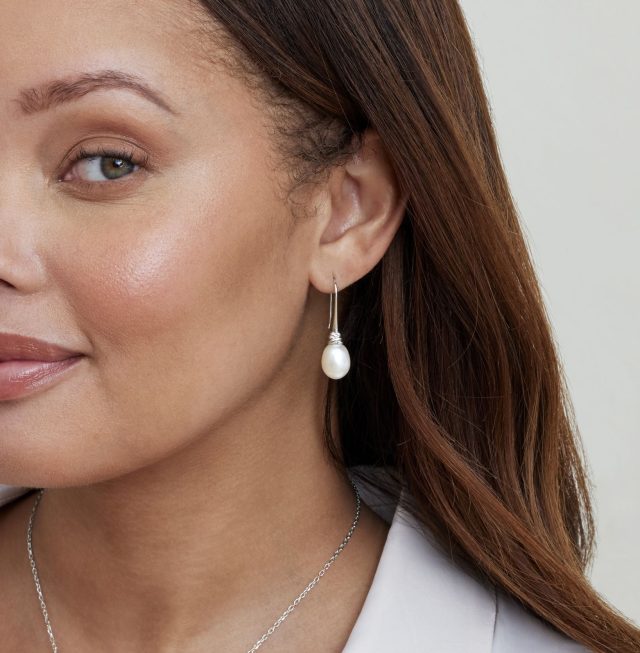
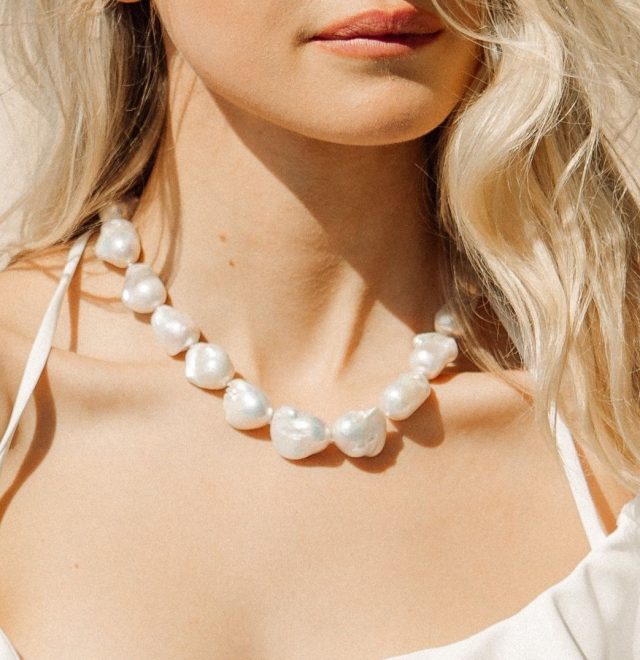
| Occasion Type | Typical Pearl Choice | Why |
|---|---|---|
| Formal events (weddings, anniversaries) | Akoya pearls (necklaces, studs) | Strong luster and classic appearance |
| Everyday or versatile gifts | Freshwater pearls (studs, pendants) | Practical, adaptable, easy to wear |
| Milestone celebrations | South Sea or Tahitian pearls | Larger size and more distinctive presence |
| Professional or transitional gifts | Simple pearl earrings or necklaces | Suitable for both formal and daily settings |
| Uncertain preference | Pearl stud earrings | Most universally appropriate option |
When choosing pearl jewelry for an occasion, the most important factors are not only tradition, but how the piece will be worn over time. In practice, versatility, comfort, and consistency with personal style often matter more than strict occasion-based rules.
Pearls are traditionally associated with the 30th wedding anniversary and are commonly chosen for milestone anniversaries where a classic, lasting gift is preferred.
Typical selections:
Anniversary gifts typically prioritize luster, surface quality, and overall refinement.
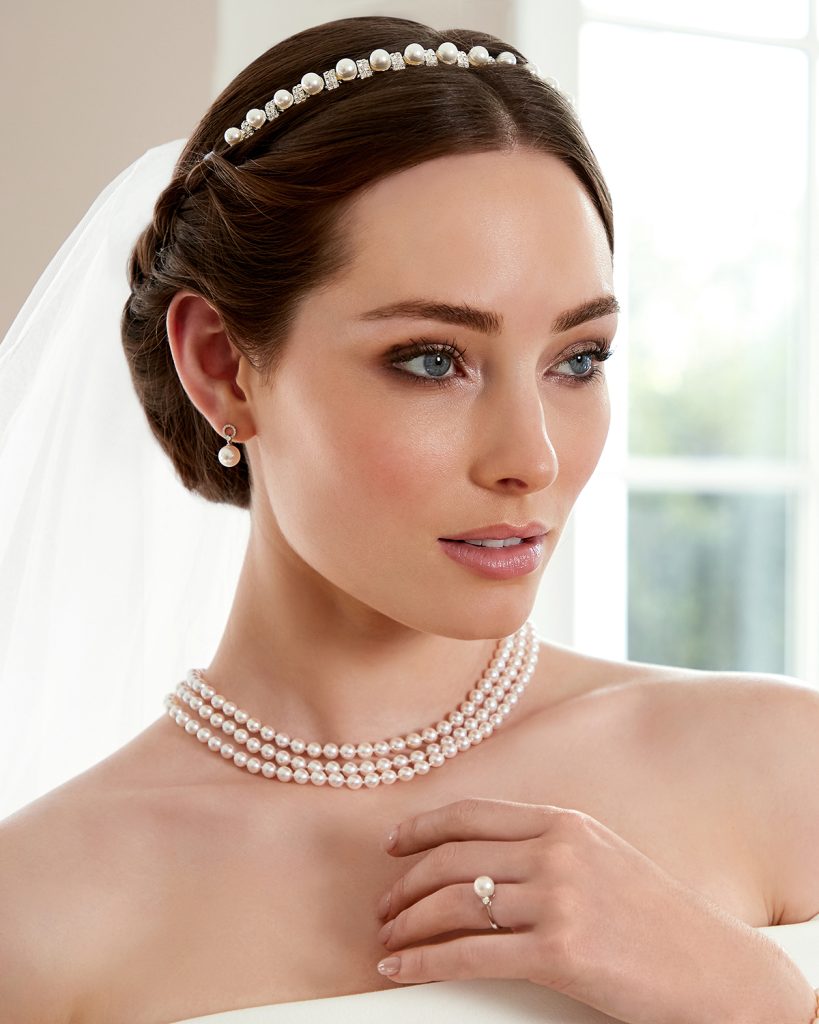
Pearls are consistently used in wedding jewelry due to their formal appearance and compatibility with traditional bridal styling.
Typical selections:
White or cream pearls are most commonly used, with soft pink or silver overtones as secondary options.
For milestone birthdays, pearl jewelry is typically selected based on personal style and how the piece will be worn.
Typical selections:
Pearls are often chosen for graduation and professional milestones due to their suitability for both formal and everyday settings.
Typical selections:
These pieces typically prioritize durability, simplicity, and versatility.
Pearls are often selected to mark motherhood or the birth of a child, with a focus on comfort and everyday wearability.
Typical selections:
These pieces are typically chosen for ease of wear and long-term versatility.
| Akoya Pearls | Freshwater Pearls | Tahitian Pearls | South Sea Pearls | |
| Formation | Saltwater cultured pearls primarily produced in Japan and China. | Cultured primarily in freshwater mussels. | Cultured in black-lipped oysters in French Polynesia. | Cultured in saltwater oysters in Australia, Indonesia, and the Philippines. |
| Appearance | Round shape with strong, mirror-like luster. | Wide variety of shapes and sizes. | Naturally darker colors such as green, gray, and peacock. | Large pearls with soft luster and white or golden colors. |
| Typical Use | Classic necklaces, formal jewelry, anniversary gifts. | Versatile jewelry including pendants, earrings, and bracelets. | Distinctive jewelry and milestone gifts. | Luxury jewelry and significant celebrations. |
| Typical Price Range | Mid to high | Entry to mid | Mid to high | High to luxury |
Luster: Higher luster creates a brighter, more defined appearance and is typically associated with more formal or high-quality pieces.
Surface Condition: Fewer visible blemishes generally indicate higher quality and a cleaner overall appearance.
Shape: Round pearls are traditionally considered more formal, while irregular shapes are often used for casual or modern styles.
Size: Larger pearls tend to appear more formal and are often associated with milestone occasions.
Nacre Thickness: Thicker nacre contributes to durability and long-term luster retention.
Before choosing pearl jewelry for an occasion, consider:
When selecting pearl jewelry for an occasion, certain choices can make the piece less practical or less aligned with how it will be worn.
Choosing pearls that are too large for everyday wear
Very large pearls can feel formal or dramatic, which may limit how often the jewelry is worn.
Focusing only on size instead of luster
Luster is one of the most important indicators of pearl quality and has a significant impact on appearance.
Selecting a style that doesn’t match the recipient’s lifestyle
For example, long strands or statement pieces may not suit someone who prefers minimal or practical jewelry.
Ignoring color tone and personal style
While white pearls are traditional, some recipients may prefer darker pearls such as Tahitian pearls or warmer tones such as golden South Sea pearls.
Pearl Necklaces
Pearl Earrings
Akoya Pearls
Freshwater Pearls
How to Evaluate Pearl Quality
Pearl Care Guide
Written by:
Katie Muirhead
Content & Editorial
The Pearl Source
Reviewed by:
Lauren Greenberg
GIA-Certified Pearl Expert
The Pearl Source
Signup now and receive an email once I publish new content.

Content Writer and Editor at The Pearl Source
Kate Muirhead is the editor and content writer for leading pearl retailer The Pearl Source. She believes in the power of signature jewelry, and that collecting it is half the fun.
 How to Choose Pearl Jewelry by Age and Life Stage