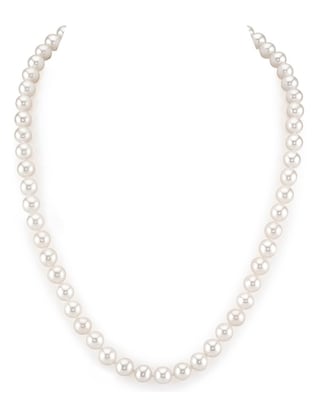
Pearl Care & Maintenance Guide
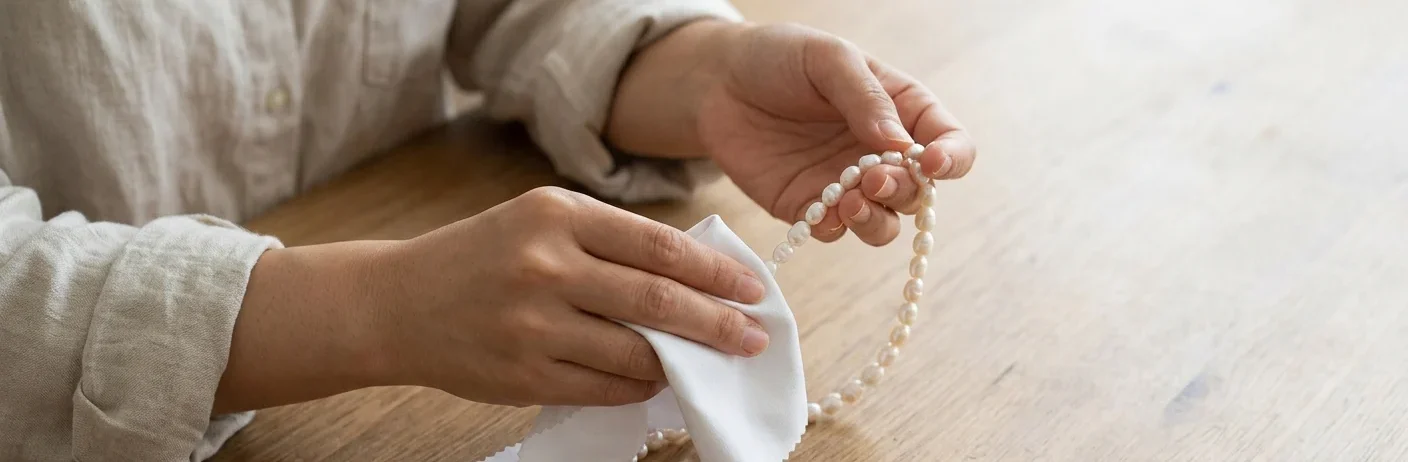
Pearls require different care than most gemstones because they are organic and relatively soft. Exposure to chemicals, excessive moisture loss, friction, and improper storage can gradually damage luster and surface quality over time.
With proper cleaning, storage, and handling, high-quality pearl jewelry can remain lustrous and wearable for decades.
This guide is for anyone purchasing, wearing, storing, or maintaining pearl jewelry. It is especially useful for first-time pearl owners, everyday wearers, and those investing in fine pearl strands or heirloom pieces.
| If your priority is… | Recommended Approach | Why |
|---|---|---|
| Everyday wear | Choose durable settings and consistent care habits | Reduces surface wear over time |
| Long-term preservation | Store pearls separately and avoid chemicals | Helps maintain luster and nacre |
| Minimal maintenance | Avoid exposing pearls to cosmetics, perfumes, and sweat | Pearls are sensitive to acids and chemicals |
| Wearing pearls frequently | Wipe pearls after each wear | Removes oils and residue before buildup occurs |
| Preserving fine pearl strands | Restring periodically | Silk can stretch and weaken over time |
| Traveling with pearls | Use soft pouches or fabric-lined cases | Prevents scratching and abrasion |
Browse our pearl necklaces, earrings, and bracelets designed for everyday elegance and lasting quality.

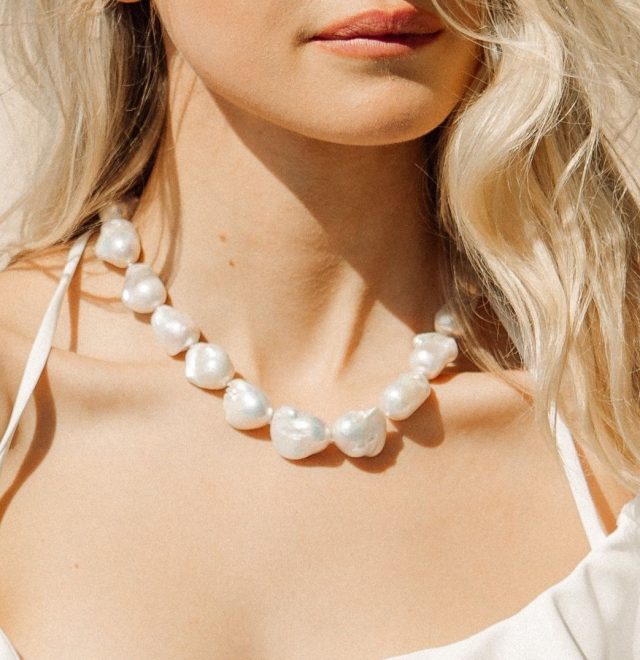
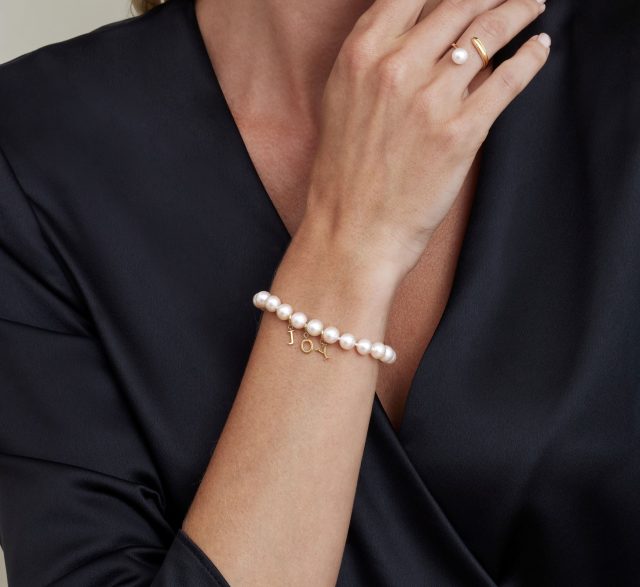
Unlike diamonds or other hard gemstones, pearls are organic gems formed inside mollusks. Their surface is composed of nacre, which gives pearls their characteristic luster and glow but also makes them more sensitive to environmental damage.
Pearls rank relatively low on the Mohs hardness scale, meaning they can scratch more easily than metals, gemstones, or even other jewelry pieces stored nearby.
They are also sensitive to:
Proper maintenance is less about intensive cleaning and more about preventing gradual surface damage over time.
After wearing pearls, gently wipe them with a soft, lint-free cloth.
This helps remove:
Consistent wiping is one of the simplest and most effective ways to preserve pearl luster.
Pearls should generally be the last item put on when getting dressed.
Apply first:
Then put on pearl jewelry once these products have dried or absorbed.
Pearls are not typically recommended for:
These activities increase exposure to moisture, chemicals, friction, or impact.
For routine cleaning:
Avoid soaking pearl jewelry for extended periods, particularly strands strung on silk.
For more significant buildup, mild soap can sometimes be used sparingly.
However:
If pearls are especially valuable or antique, professional cleaning is usually safest.
Pearls should not be stored loose alongside harder jewelry such as:
These items can scratch the pearl surface over time.
Instead, store pearls in:
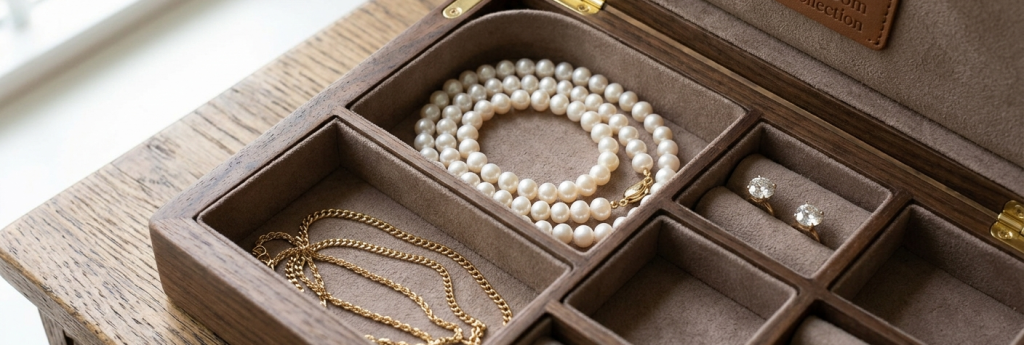
Pearls benefit from some ambient moisture in the air. Extremely dry conditions over long periods may contribute to nacre dehydration.
Avoid storing pearls permanently in airtight plastic bags or dry safes without humidity balance.
Pearl necklaces and bracelets should ideally be stored flat to reduce tension on silk threads.
Hanging strands long-term may gradually stretch the silk.
Pearl strands should generally be restrung when:
For frequently worn strands, restringing every 1–2 years is common.
Occasionally worn strands may last significantly longer.
Traditionally, pearl strands are knotted between each pearl because knotting:
Fine pearl strands are typically individually knotted for both protection and quality.
| Pearl Type | Typical Durability | Maintenance Sensitivity | Common Use |
|---|---|---|---|
| Freshwater Pearls | Good | Moderate | Everyday jewelry |
| Akoya Pearls | Moderate | Higher | Classic necklaces and formal wear |
| Tahitian Pearls | Good | Moderate | Fashion and statement jewelry |
| South Sea Pearls | Moderate | Higher | Luxury and heirloom jewelry |
Durability also depends heavily on nacre thickness, quality, setting style, and frequency of wear.
“Most long-term pearl damage happens gradually through daily habits rather than single incidents. Consistent storage and gentle cleaning make the biggest difference over time.”
Explore our collections of pearl necklaces, earrings, bracelets, pendants, and fine pearl strands designed for lasting beauty and long-term wear.
Yes. Many pearl types, particularly freshwater pearls, are suitable for regular wear when properly cared for.
Pearls are generally not recommended for showering. Prolonged exposure to water, soap, and shampoo may weaken silk strands and affect surface quality over time.
Frequently worn pearl strands are often restrung every 1–2 years. Less frequently worn strands may require restringing less often.
A soft cloth and lukewarm water are typically safest for routine cleaning. Harsh chemicals and ultrasonic cleaners should generally be avoided.
Improper storage, chemical exposure, and surface wear can gradually reduce luster. Proper care helps preserve pearl appearance for decades.
Pearls are durable enough for regular wear when properly maintained, but they require different care than harder gemstones. Gentle cleaning, careful storage, and preventative maintenance are the most important factors in preserving pearl luster and longevity.
Written by:
Katie Muirhead
Content & Editorial
The Pearl Source
Reviewed by:
Lauren Greenberg
GIA-Certified Pearl Expert
The Pearl Source