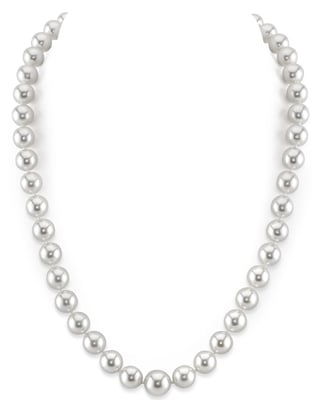
Expensive vs Affordable Pearls: Understanding Brand Markups & Pricing
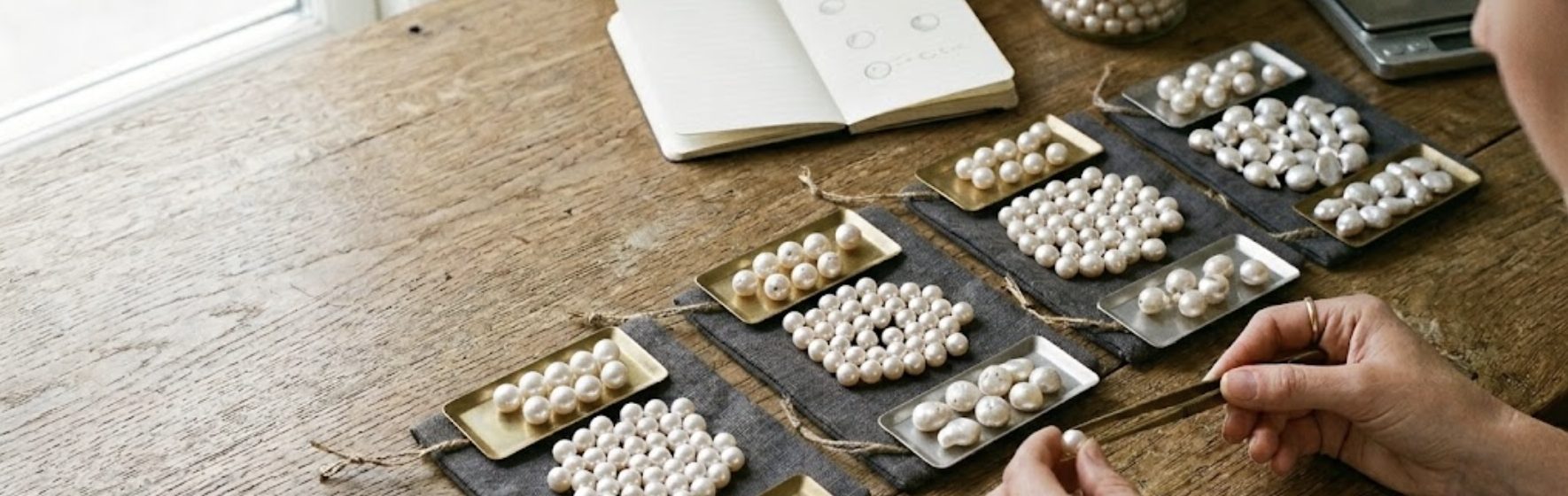
Buying pearls can be confusing because prices vary dramatically. Two pearl necklaces may appear similar at first glance, yet one costs several times more than the other.
While pearl quality is one reason for these differences, it is not the only factor. Brand positioning, retail overhead, manufacturing methods, distribution models, and marketing costs can all influence the final price a customer pays.
Understanding these factors helps buyers evaluate value more accurately and make more informed purchasing decisions.
This guide explains why pearl jewelry prices vary, how brand markups influence retail pricing, and which factors genuinely affect pearl value.
Use this framework to separate pearl quality from retail pricing. Understanding both can help you compare options more effectively and determine whether a higher price reflects better pearls, additional services, or brand positioning.
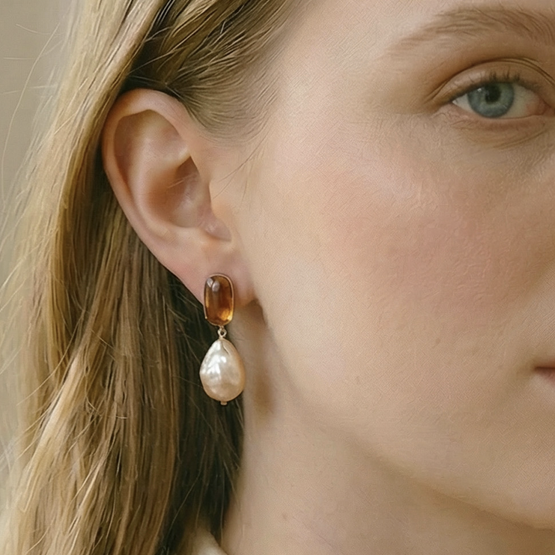
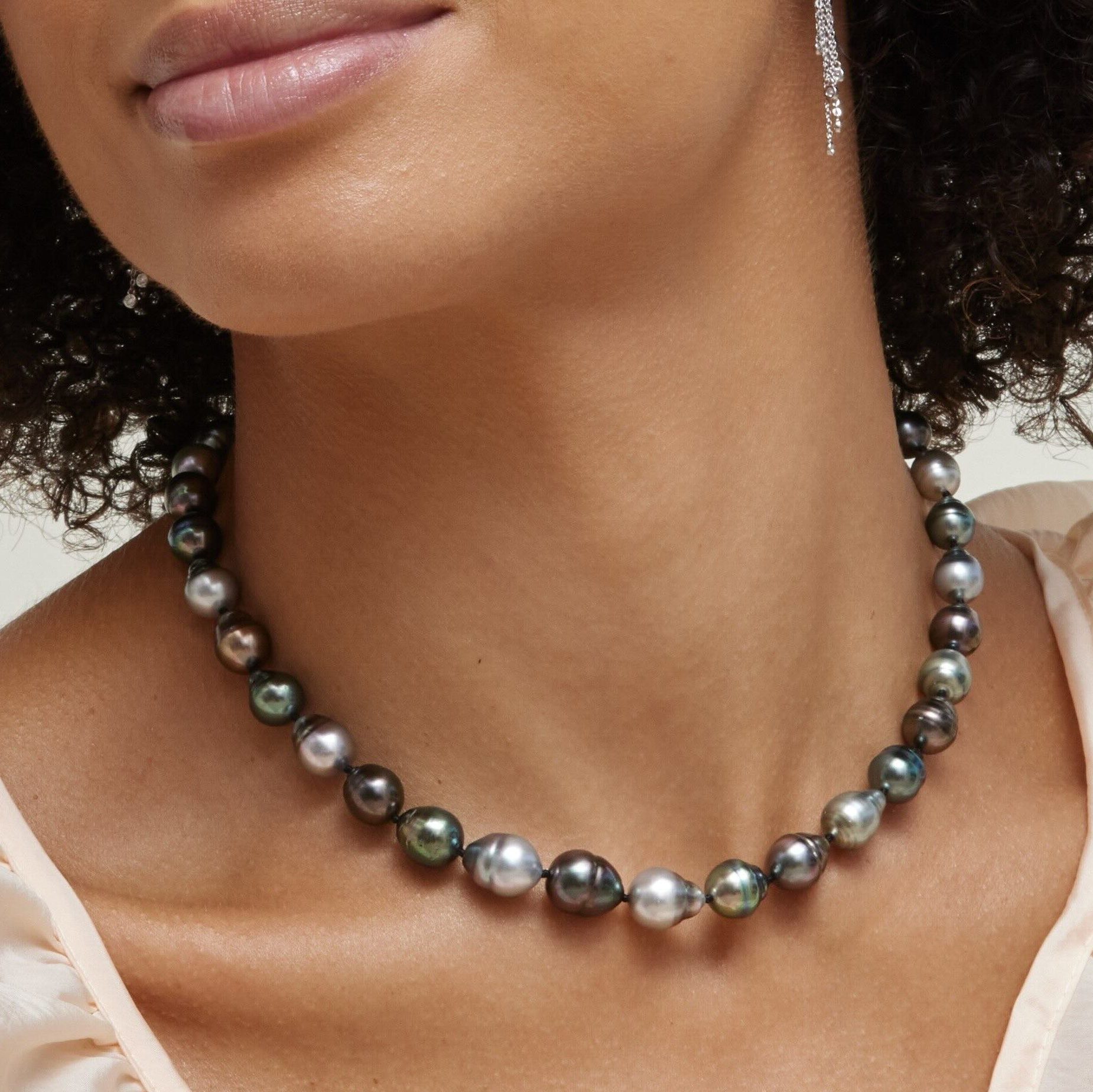
Many buyers assume that expensive pearls are always better pearls. In reality, pearl quality and retail pricing are related, but they are not identical.
A higher price may reflect better pearls, but it may also reflect factors such as marketing budgets, luxury positioning, physical retail locations, packaging, or other business costs.
The most informed buyers learn to evaluate the jewelry itself rather than relying solely on price as a measure of quality.
Pearl jewelry pricing is influenced by two broad categories:
These are characteristics directly related to the pearls themselves.
These factors determine the actual quality and rarity of the pearls.

These factors influence what consumers ultimately pay.
These factors do not necessarily improve the pearls themselves, but they can contribute to the final purchase experience.
Most jewelry brands apply markups to cover operating costs and generate profit.
These costs may include:
Luxury brands often carry higher overhead expenses than direct-to-consumer businesses, which can contribute to higher retail pricing.
This does not automatically make either approach better or worse. It simply means buyers should understand what they are paying for.
When purchasing pearl jewelry, the price generally reflects a combination of:
| Cost Component | What It Covers |
|---|---|
| Pearl Quality | Size, luster, surface quality, matching |
| Jewelry Materials | Gold, platinum, clasps, settings |
| Craftsmanship | Assembly, matching, finishing |
| Brand Positioning | Luxury branding and market perception |
| Business Costs | Operations, marketing, support |
| Customer Experience | Packaging, service, warranties |
Understanding these categories helps buyers identify whether a premium price is supported by tangible value.
Assuming Expensive Always Means Better: Price can sometimes indicate quality, but it is not a guarantee. Two necklaces may differ significantly in price while using pearls of relatively similar quality.
Focusing Only on Price: The opposite mistake is assuming the lowest price always represents the best value. Lower-priced jewelry may involve compromises in pearl quality, matching, craftsmanship, or materials.
Ignoring Pearl Quality Factors: Many buyers compare products based on price alone rather than evaluating the actual characteristics of the pearls. In practice, luster often has a greater impact on appearance than many other factors.
When evaluating pearl jewelry, experts generally start with the pearls themselves.
Questions often include:
Only after these questions are answered does price become meaningful.
While these factors may contribute to the overall experience, they do not directly improve pearl quality.
A useful approach is to ask:
The goal is not necessarily to find the cheapest option or the most expensive option. It is to identify the strongest balance between quality, craftsmanship, and price.
“Price is only one piece of the puzzle. The best purchases are usually made when buyers understand both pearl quality and the factors that influence retail pricing.”
— Lauren Greenberg, GIA-Certified Pearl Expert
Before purchasing pearl jewelry, consider:
☐ Pearl quality
☐ Luster
☐ Surface condition
☐ Matching
☐ Craftsmanship
☐ Materials used
☐ Brand reputation
☐ Overall value proposition
For additional guidance, see:
Pricing may reflect differences in pearl quality, craftsmanship, materials, brand positioning, or retail overhead.
No. While higher-quality pearls often cost more, retail pricing can also be influenced by business and marketing factors.
Many experts consider luster the most important factor because it has the greatest impact on appearance.
Most experts recommend evaluating pearl quality first and considering brand factors separately.
Price is what you pay. Value reflects the quality, craftsmanship, and overall benefit you receive in return.
Written by:
Katie Muirhead
Content & Editorial
The Pearl Source
Reviewed by:
Lauren Greenberg
GIA-Certified Pearl Expert
The Pearl Source