Real vs Fake Pearls: Identification & Buying Guide
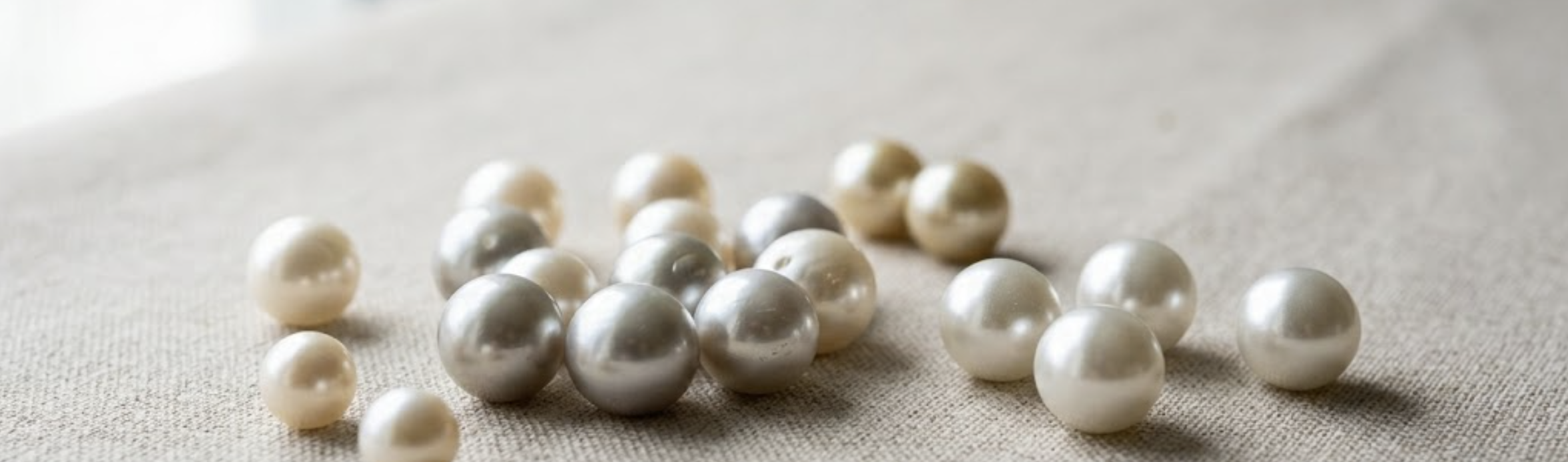
Pearls can appear similar at first glance, but there are significant differences between genuine pearls and imitation pearls. Knowing the differences between real vs fake pearls is important when evaluating quality, value, durability, and price.
While some imitation pearls are designed to resemble genuine pearls, they do not share the same formation process, structure, or long-term characteristics.
This guide explains the differences between real and fake pearls, how they can be identified, and what factors buyers should consider when evaluating authenticity and value.
Use the sections below to compare genuine and imitation pearls, understand common identification methods, and determine which option best aligns with your goals and budget.
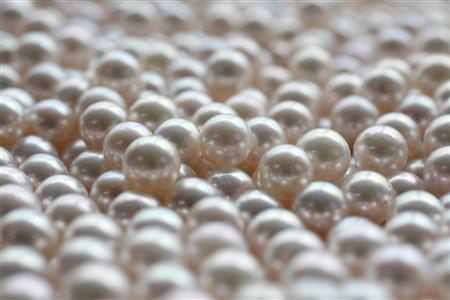
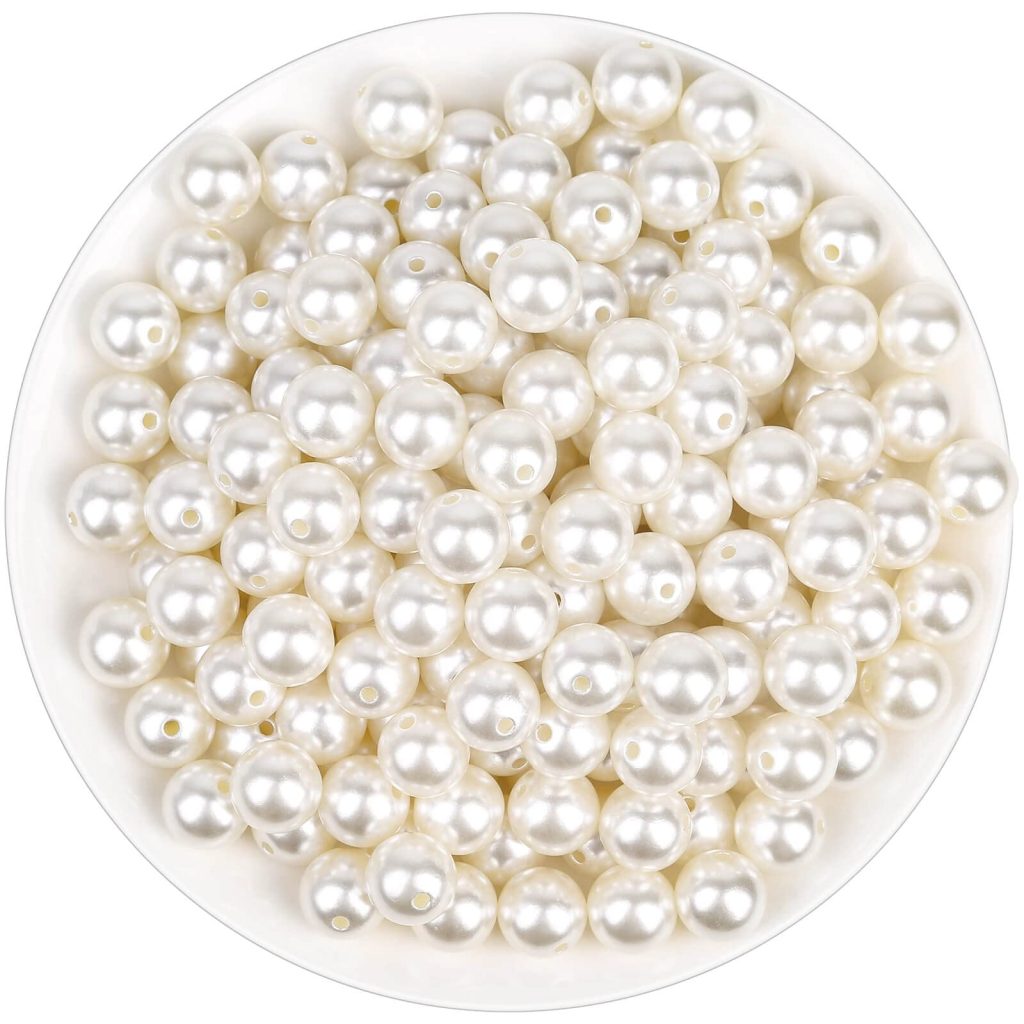
In practice, the most important distinction is not appearance but composition.
Many imitation pearls can appear convincing in photographs or at a distance. However, genuine pearls possess natural luster, depth, and surface characteristics that are difficult to replicate completely.
Authenticity also influences value. Once a pearl is confirmed as genuine, factors such as luster, size, matching, and surface quality become more important.
| Factor | Real Pearls | Fake Pearls |
|---|---|---|
| Formation | Produced by mollusks | Manufactured |
| Composition | Nacre-based organic gem | Glass, plastic, ceramic, or coated materials |
| Luster | Deep, layered reflections | More uniform surface shine |
| Surface | Natural variation | Often highly uniform |
| Durability | Can last generations with care | Coatings may wear over time |
| Value | Evaluated according to quality | Generally lower resale value |
| Rarity | Varies by type and quality | Mass produced |
Yes. In fact, one of the most common misconceptions is that cultured pearls are fake pearls.
Cultured pearls are genuine pearls produced through pearl cultivation. The pearl forms naturally inside a mollusk and develops layers of nacre over time.
The vast majority of pearl jewelry sold today contains cultured pearls, and these are considered real pearls.
Surface Characteristics: Real pearls typically display minor natural variations. Perfect uniformity is uncommon.
Luster: Genuine pearls exhibit depth and layered reflections rather than simple surface shine.
Temperature: Real pearls often feel cooler to the touch initially than plastic imitation pearls.
Weight: Glass imitation pearls may feel heavy, while plastic imitation pearls often feel unusually light.
Drill Holes: Examination around drill holes can sometimes reveal whether nacre is present or whether a coating has worn away.
Assuming Cultured Means Fake: Cultured pearls are real pearls. The difference is that human intervention initiates the process, while the pearl itself forms naturally.
Assuming Perfect Means Better: Many buyers expect real pearls to be perfectly uniform. In practice, subtle variations are often signs of authenticity.
Real pearls are generally preferred when:
Imitation pearls may be suitable when:
Before purchasing pearl jewelry, consider:
☐ Has authenticity been verified?
☐ Are the pearls natural or cultured?
☐ How strong is the luster?
☐ Is the surface overly uniform?
☐ Does the price align with the claimed pearl type?
☐ Is long-term value important?
For a deeper understanding of pearl value and quality, see:
Yes. Cultured pearls are genuine pearls formed inside a mollusk through pearl cultivation.
Some imitation pearls can appear convincing, particularly in photographs, but they typically lack the depth and structure of genuine pearls.
Generally yes, though quality varies significantly among genuine pearls.
Most imitation pearls can be identified through examination, though professional testing may be required in some cases.
Both are genuine pearls. The difference lies in how the pearl formation process begins.
Written by:
Katie Muirhead
Content & Editorial
The Pearl Source
Reviewed by:
Lauren Greenberg
GIA-Certified Pearl Expert
The Pearl Source