What Impacts Pearl Price? Ranked Factors Explained
Pearl prices can vary significantly, even between pieces that appear similar at first glance. In practice, price is determined by a combination of rarity, quality, pearl type, and how well different quality factors come together.
Understanding which factors have the biggest impact on price makes it easier to compare pearls more accurately and avoid overpaying for features that matter less in practice.
This guide explains the main factors that influence pearl pricing and how experts prioritize them when evaluating value.
Use the sections below to understand which factors influence pearl price most strongly, how different pearl types compare, and what typically increases or decreases overall value.
In practice, pearl prices are influenced by several factors together, but they are not weighted equally. Some characteristics have a much greater effect on value than others.
Generally, luster, rarity, surface quality, and pearl type have the strongest impact on pricing, while factors such as color preference are more subjective.
| Factor | Impact on Price | Why It Matters |
|---|---|---|
| Luster | Very High | Strong luster creates brighter, sharper reflections and significantly improves appearance |
| Pearl Type | Very High | Some pearl types are rarer and more difficult to cultivate |
| Size | High | Larger pearls are more rare, especially at high quality levels |
| Surface Quality | High | Cleaner surfaces are more valuable and more difficult to produce |
| Matching | High | Uniform strands and earrings require closely matched pearls |
| Shape | Moderate to High | Perfectly round pearls are more rare and traditionally valued higher |
| Nacre Thickness | Moderate | Thicker nacre improves durability and long-term appearance |
| Color | Variable | Certain colors are more rare, though preference also affects value |
Many buyers assume pearl size is the biggest driver of price, but experts typically prioritize luster first. A smaller pearl with exceptional luster will often appear more valuable than a larger pearl with weaker luster.
Matching also becomes significantly more important in pearl strands and earrings, where consistency across multiple pearls increases rarity and labor.
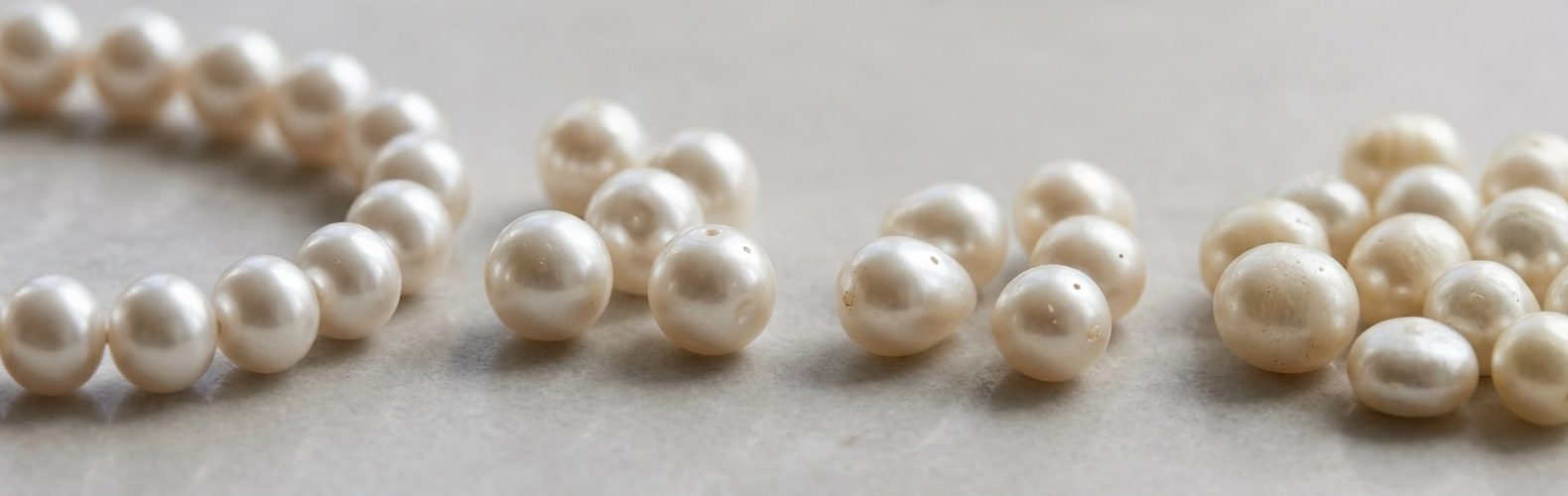
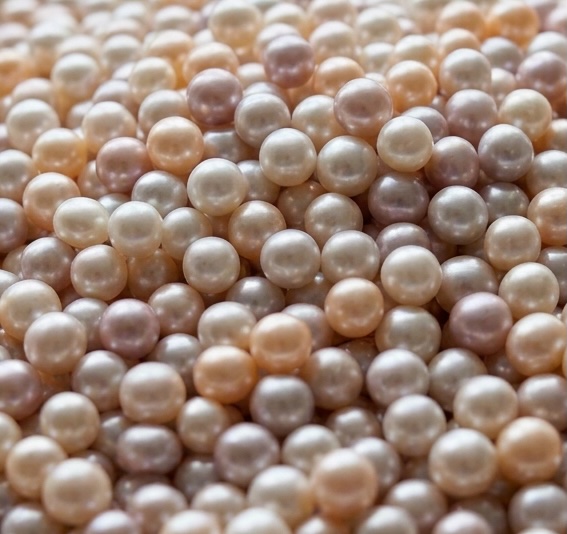
Freshwater pearls are generally the most accessible pearl type because they are cultivated in larger quantities and available in a wide range of shapes and sizes.
They often provide the best balance between quality and affordability.
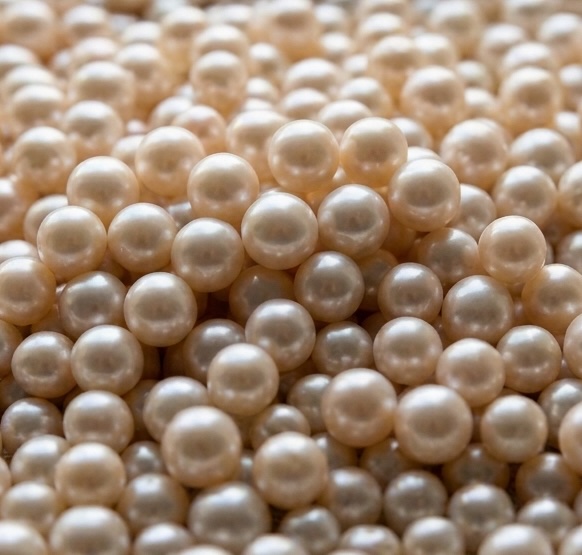
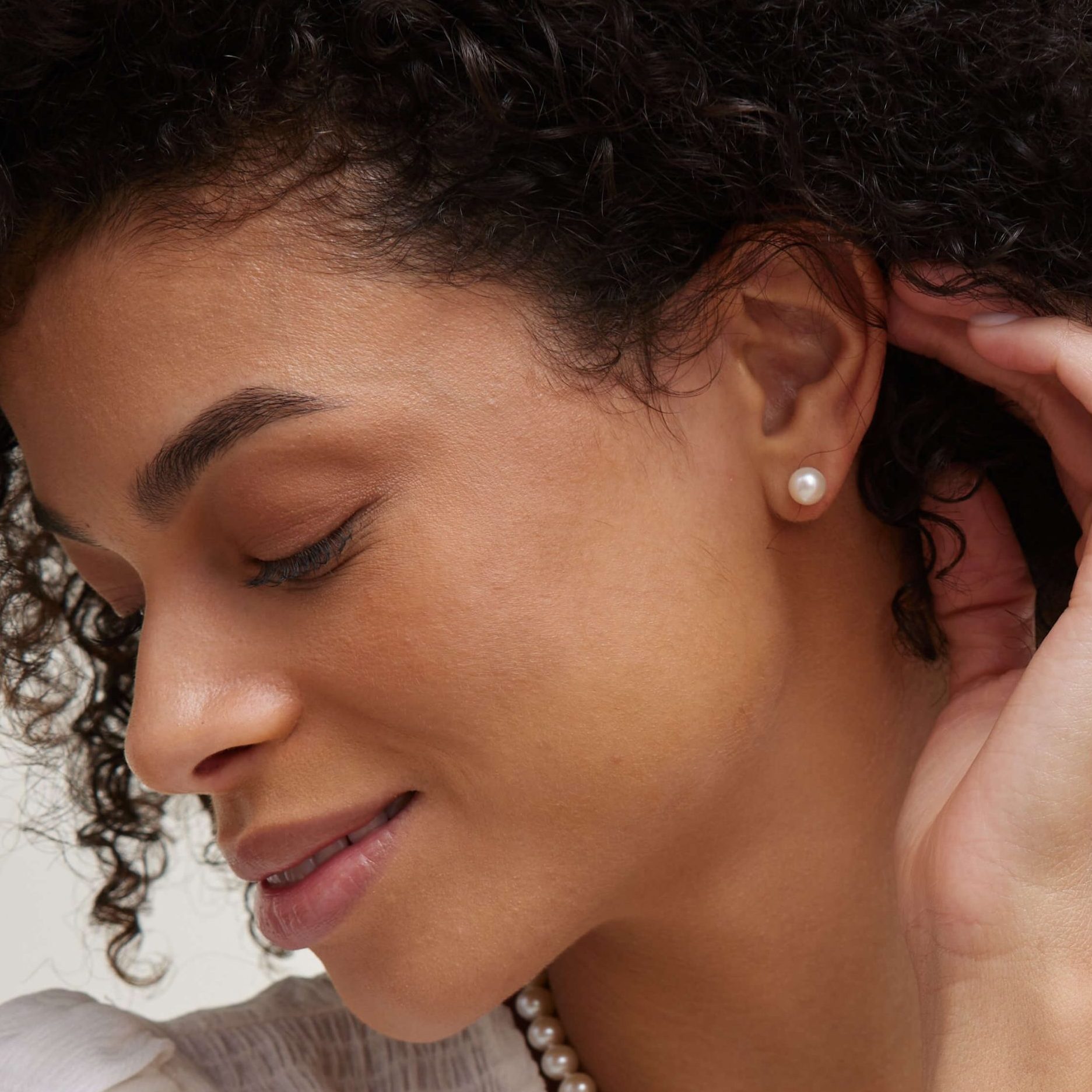
Akoya pearls are typically more expensive than freshwater pearls due to their strong luster, round shape, and traditional appearance.
High-quality Akoya strands with strong matching can increase significantly in price.
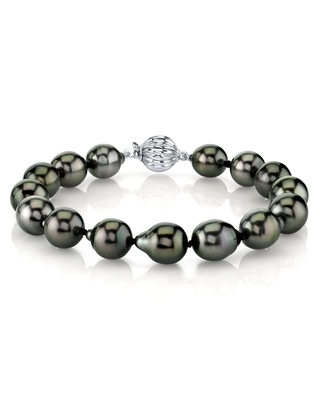
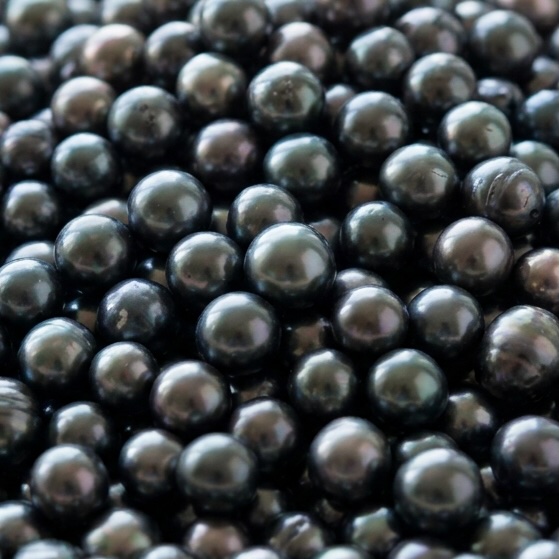
Tahitian pearls are valued for their naturally dark body colors and rarity. Prices increase based on size, overtone, surface quality, and matching.
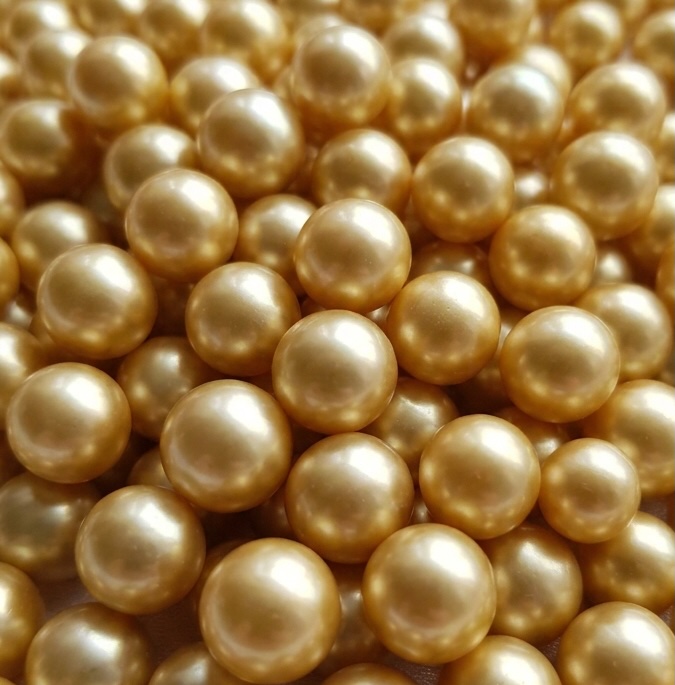
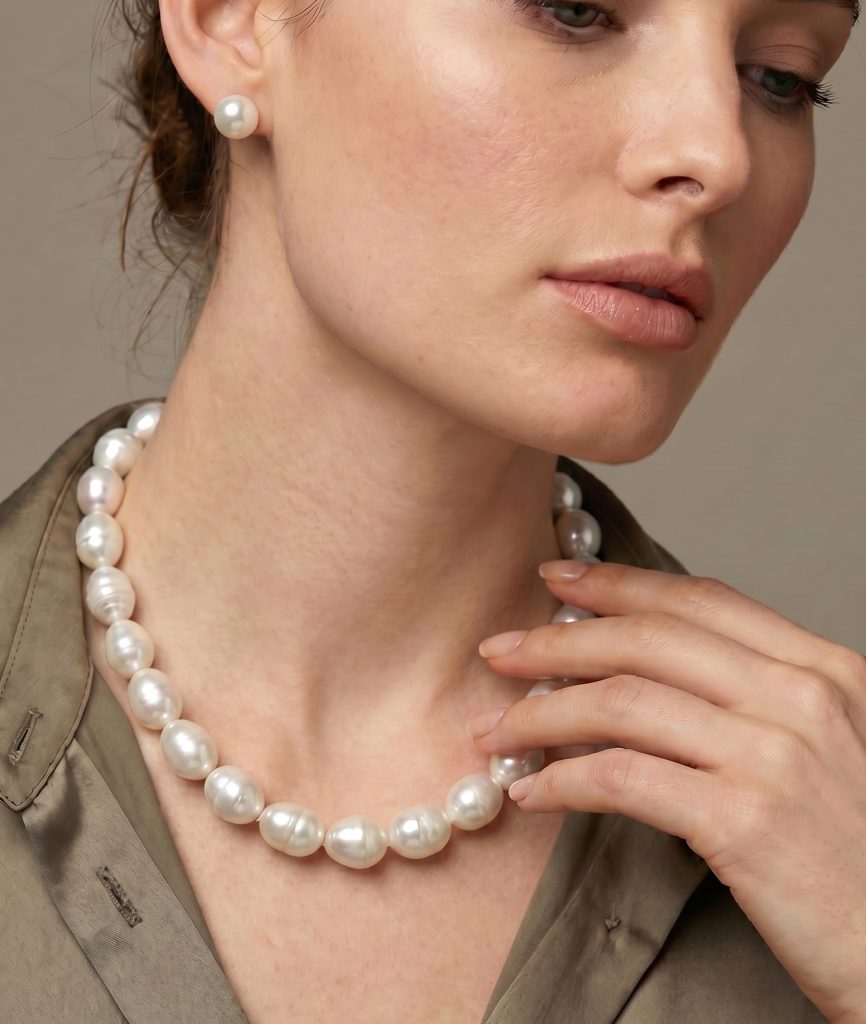
South Sea pearls are usually the most expensive pearl type due to their rarity, large size, and cultivation time.
High-quality South Sea strands are among the highest-priced pearl jewelry pieces on the market.
A common mistake is focusing too heavily on pearl size while overlooking luster and surface quality. In practice, stronger luster usually has a bigger impact on how expensive and refined pearls appear.
Another misconception is assuming all perfectly round pearls are automatically higher quality. Roundness affects value, but luster, surface condition, and matching still matter more overall.
Luster
Luster has the strongest influence on pearl appearance and is often the most important pricing factor.
Size
Larger pearls are more rare, particularly when combined with strong luster and clean surfaces.
Surface Quality
Fewer visible blemishes increase value and improve overall appearance.
Matching
Consistent pearls in strands or earrings require more selective grading and increase price.
Pearl Type
Certain pearl types are more difficult to cultivate and naturally more rare.
Nacre Thickness
Thicker nacre improves durability and long-term luster retention.
Before comparing pearl prices, consider:
☐ Whether luster or size matters more to you
☐ How important rarity is
☐ Whether the jewelry includes matching pearls
☐ The intended use of the jewelry
☐ Budget relative to quality expectations
For a more detailed breakdown of pearl quality and evaluation standards, see:
Luster typically has the biggest impact on pearl value because it directly affects how bright and refined the pearls appear.
Usually, but not always. Size increases value most significantly when combined with high luster and clean surfaces.
South Sea pearls are more rare, take longer to cultivate, and are naturally larger than most other pearl types.
No. Freshwater pearls are often more affordable because they are produced in larger quantities, not necessarily because they are poor quality.
Yes. Round pearls are more rare and traditionally valued higher, especially in matched strands.
Written by:
Katie Muirhead
Content & Editorial
The Pearl Source
Reviewed by:
Lauren Greenberg
GIA-Certified Pearl Expert
The Pearl Source