BUYING GUIDES
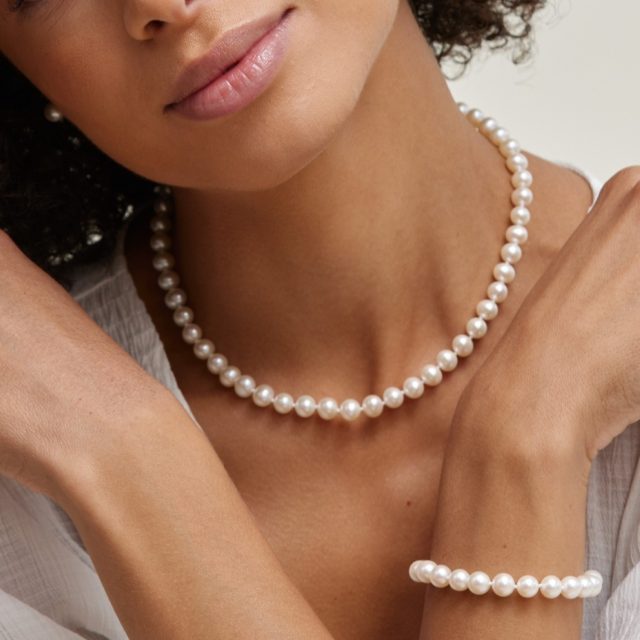
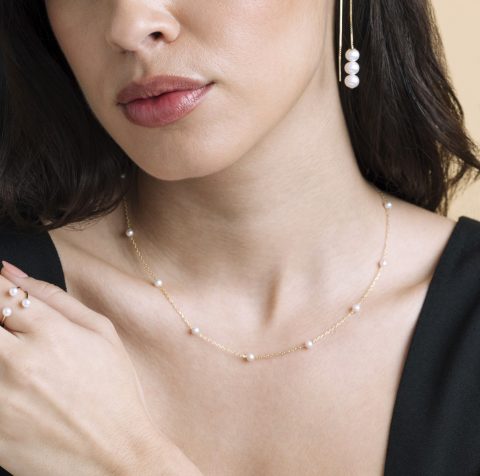
Buying pearl jewelry starts with understanding what to look for, from quality and type to value and authenticity. These guides are designed to help you make informed decisions with clarity and confidence.
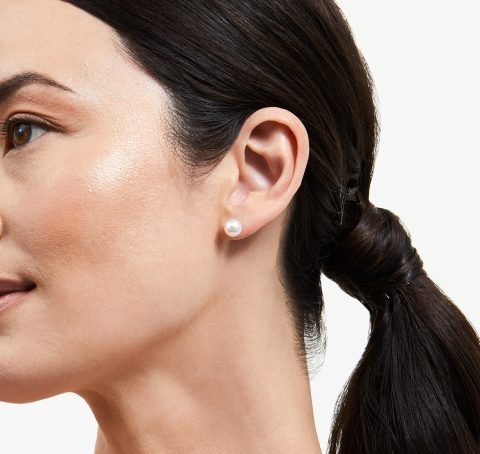
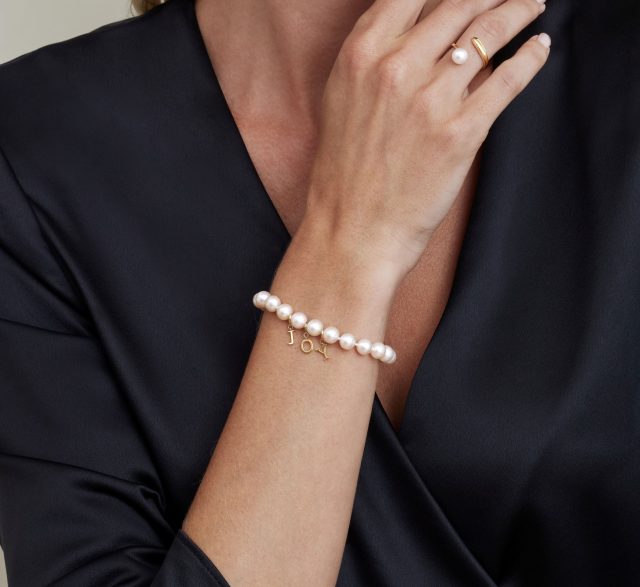
When buying pearls, consider factors such as luster, surface quality, shape, size, and color. These characteristics influence both the appearance and value of the pearl.
Cultured pearls are real pearls. Appearance and feel can offer clues, but no home test can reliably establish whether a pearl is natural, cultured, or imitation in every case. Check the disclosures from the seller and request a qualified laboratory report when origin or treatment materially affects the price.
Yes, cultured pearls are real pearls and are widely available in a range of styles and price points. They offer a balance of quality, beauty, and accessibility.
Pearl prices vary depending on type, size, quality, and rarity. They can range from relatively affordable freshwater pearls to more valuable varieties such as Akoya, Tahitian, and South Sea pearls.
Both options can be suitable, as long as the retailer provides clear information about pearl quality, grading, and sourcing. Transparency and detailed product descriptions are key when purchasing online.
Yes, grading helps provide consistency in evaluating pearl quality. While grading systems can vary, understanding the key quality factors allows you to make more informed comparisons.