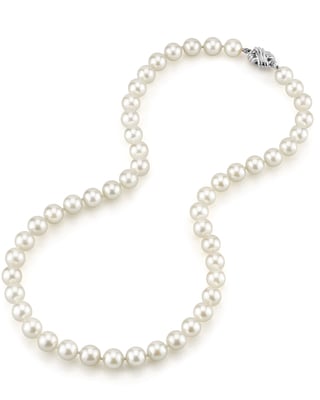
Our Pearl Quality Control Process: Selection & Rejection Criteria
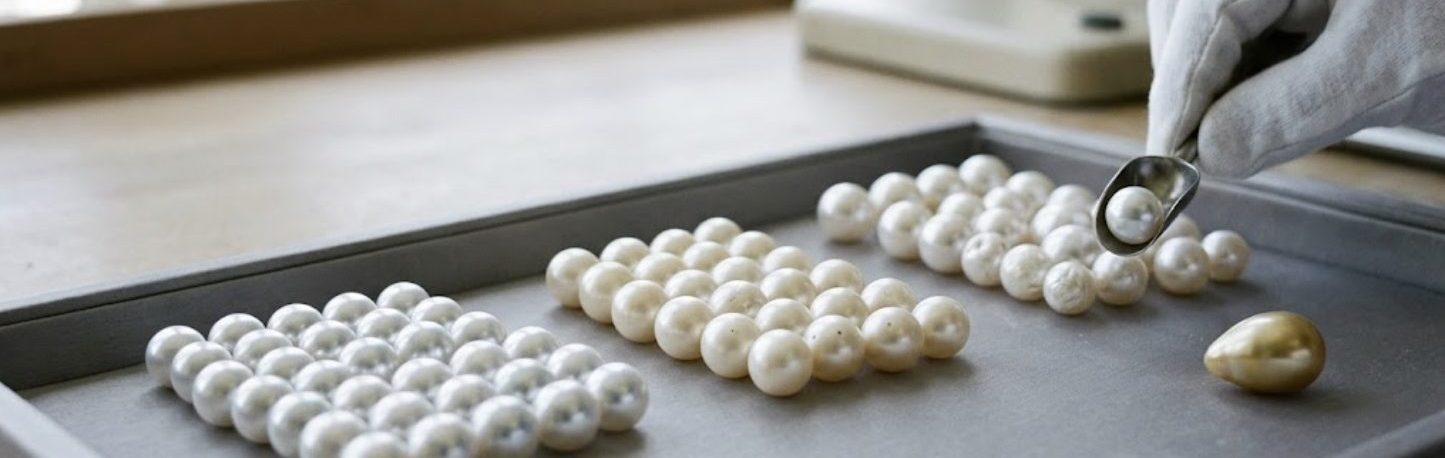
At The Pearl Source, quality control begins long before a pearl is mounted into jewelry. Every pearl is evaluated for luster, surface quality, shape, color, matching, and overall suitability before it can be selected for a finished piece.
Not all harvested pearls meet these standards. Quality control is the process of identifying which pearls are suitable for fine jewelry and which should be removed from consideration.
This guide explains the quality control factors used to evaluate pearls and the criteria that determine whether a pearl is accepted or rejected for use in fine jewelry.
Use the sections below to understand how pearls are screened, what quality factors are prioritized, and why some pearls are selected while others are rejected.
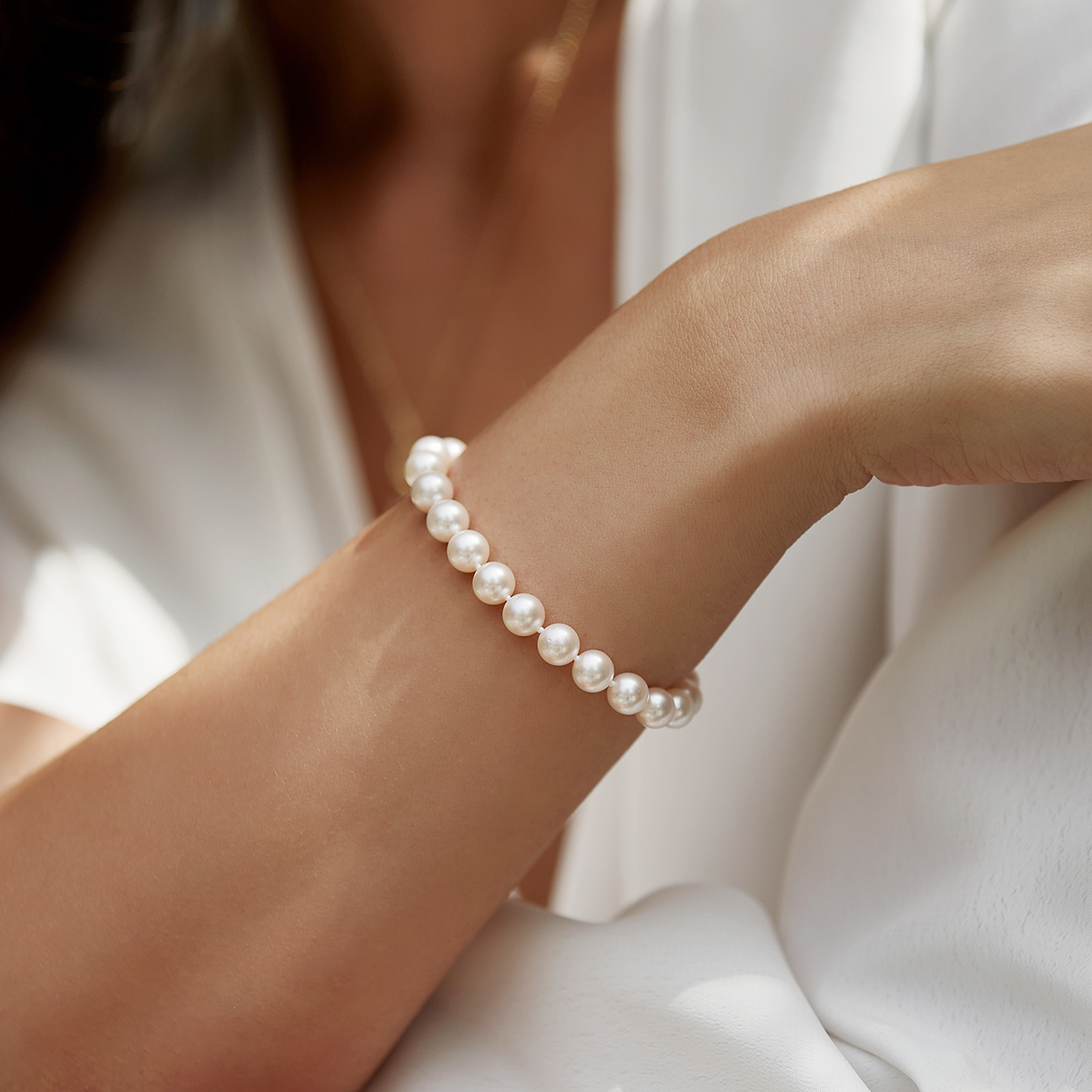
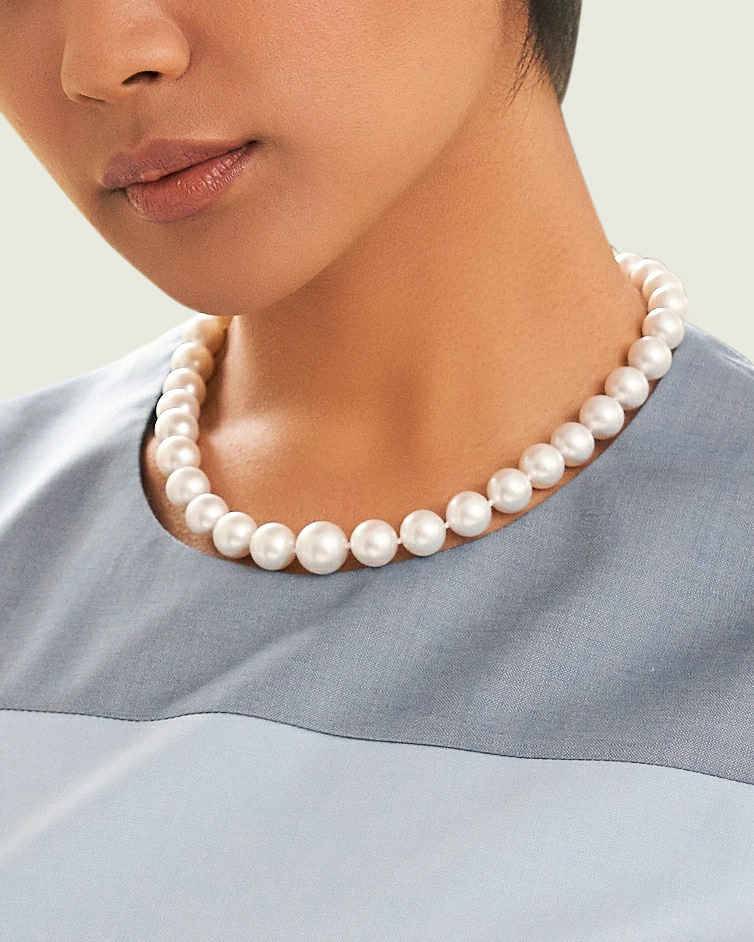
At The Pearl Source, quality control is one of the primary ways we maintain consistency across our jewelry collections.
Two necklaces may contain the same pearl type and appear similar at first glance, yet differ significantly in luster, matching, surface quality, and overall appearance. Careful selection helps ensure that pearls meet the standards expected for their assigned grade before they reach the customer.
For customers, this means that pearl quality is determined long before the jewelry is assembled. The stricter the selection process, the more consistent the finished piece becomes.
While many buyers focus on pearl size, quality control processes generally prioritize luster first. A pearl with exceptional luster but a slightly smaller size is often preferred over a larger pearl with weaker visual performance.
Consistency is also critical. A pearl may be attractive on its own but still be rejected if it does not match the other pearls in a necklace, bracelet, or pair of earrings.
Every pearl selected for The Pearl Source jewelry undergoes multiple stages of review before it is matched, mounted, or strung into a finished piece.

While quality standards vary throughout the pearl industry, The Pearl Source uses a multi-stage review process designed to evaluate both individual pearl quality and consistency across finished jewelry pieces. Pearls that do not meet the requirements for a specific grade or collection are removed during the sorting process.
The process typically includes:
Pearls are first grouped by type, size, shape, color, and overall quality characteristics. This creates the foundation for more detailed evaluation.
Pearls are examined under controlled lighting conditions to assess the strength and sharpness of their reflections.
Because luster has such a significant impact on appearance, pearls with weak or dull reflections are often removed early in the process.
Each pearl is inspected for visible blemishes, pits, spots, ridges, and other surface irregularities.
Surface quality standards vary by pearl type and quality grade, but cleaner surfaces generally receive higher evaluations.
For strands, earrings, and multi-pearl jewelry, matching becomes a critical stage.
Pearls are evaluated for consistency in:
The more closely pearls match, the more difficult and time-consuming the process becomes.
Before pearls are mounted or strung into jewelry, a final review ensures they meet the quality standards assigned to that collection or grade.
Only pearls that satisfy these requirements move forward into production.

Luster is typically the most important evaluation factor. Pearls with bright, sharp reflections and strong visual depth are prioritized.
Pearls are examined for blemishes, spots, pits, or other surface irregularities. Cleaner surfaces generally receive higher grades.
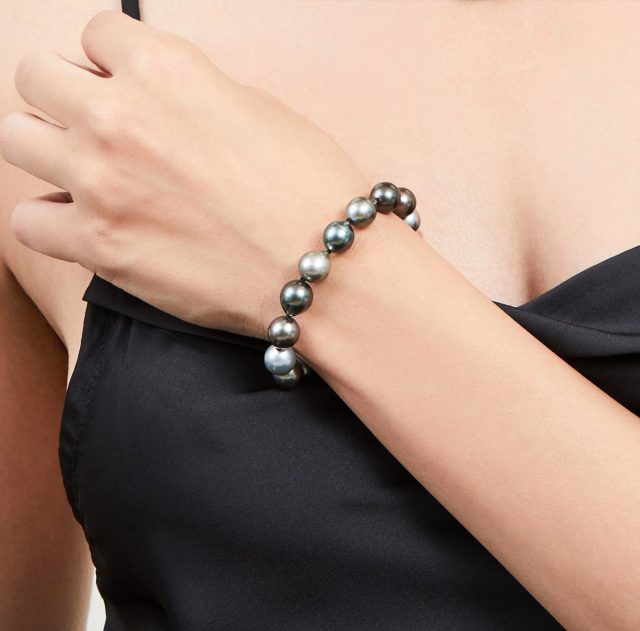

Pearls are sorted according to the shape requirements of the jewelry being produced. Round pearls typically require the strictest selection standards.
For strands and multi-pearl jewelry, consistency in size, shape, color, and luster is carefully evaluated.

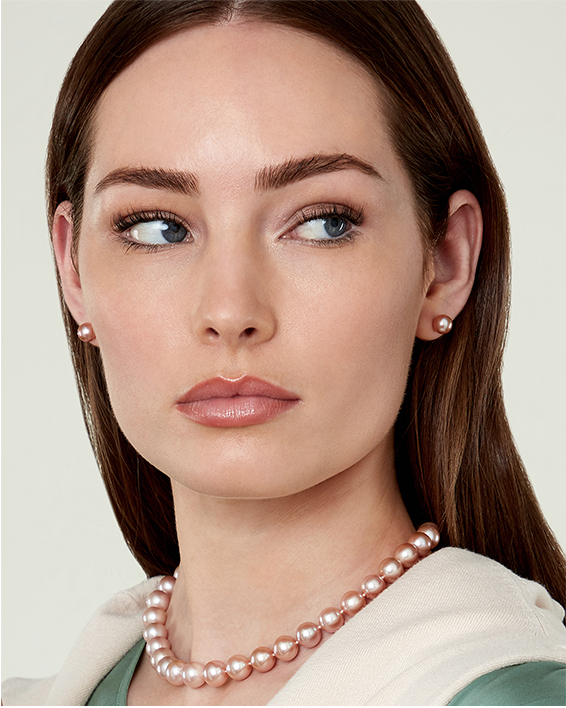
Pearls are grouped according to body color and overtone to maintain visual consistency across finished pieces.
Pearls are sorted into narrow size ranges to ensure balanced appearance and proper matching.
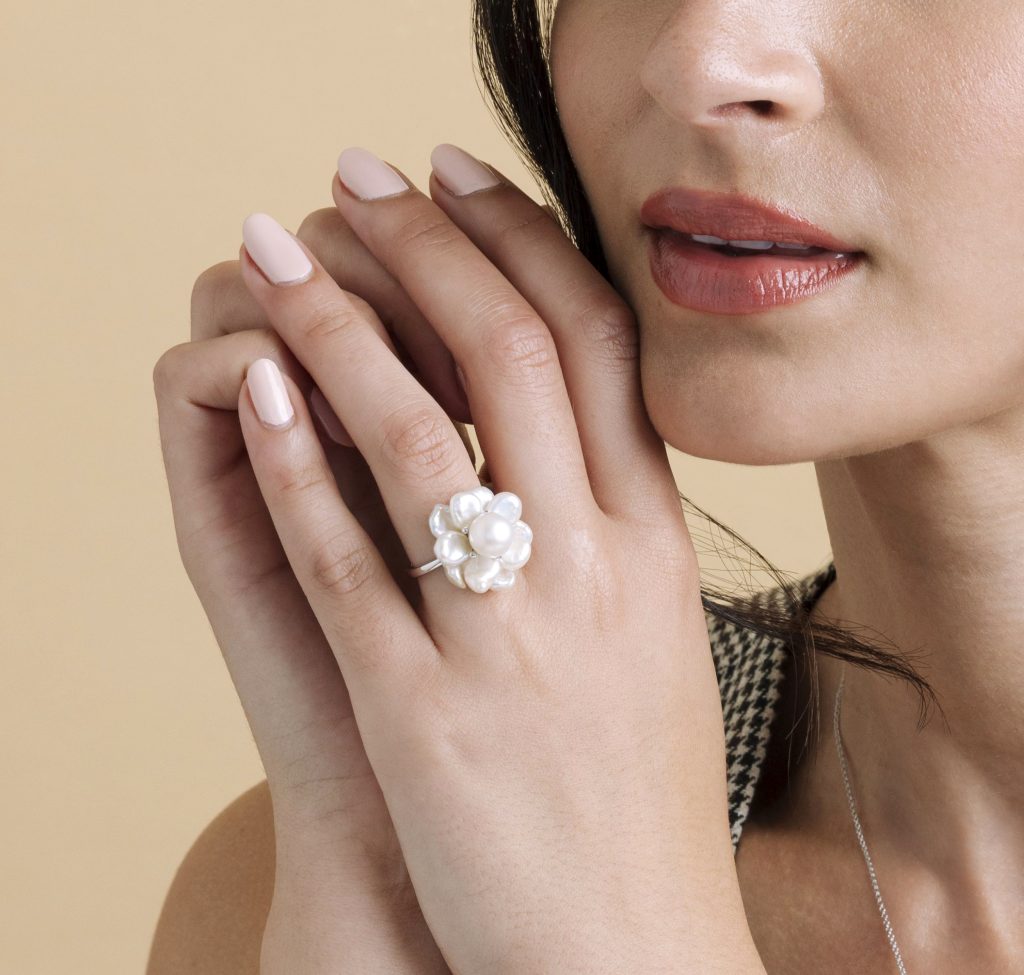
| Quality Factor | Common Reason for Rejection |
|---|---|
| Luster | Weak or dull reflections |
| Surface Quality | Visible blemishes or imperfections |
| Shape | Does not meet required shape standards |
| Matching | Inconsistent size, color, or luster |
| Color | Falls outside required color range |
| Size | Does not fit designated size grouping |
The stricter the rejection standards, the more consistent the finished jewelry becomes. Selection is only one side of quality control. Equally important is deciding which pearls should not move forward into production.
At The Pearl Source, rejection standards help maintain consistency across pearl grades and jewelry collections. Pearls may be removed because of weak luster, visible blemishes, poor matching, inconsistent color, or other characteristics that fall outside the quality requirements for a particular piece.
Premium pearls are distinguished by stronger luster, cleaner surfaces, better matching, and more consistent grading.
While commercial-grade pearls may still be attractive, they often show greater variation in reflection quality, surface condition, shape, or color consistency.
The difference is not always obvious in photographs, which is why quality control and grading standards play such an important role in determining overall value.
In practice, quality control decisions are often prioritized in the following order:
The exact weighting may vary depending on the pearl type and the jewelry being produced, but stronger luster and cleaner surfaces typically carry the greatest influence.
“One of the biggest misconceptions about pearl quality is that size comes first. During our evaluation process, we prioritize luster and overall appearance long before we consider size. A smaller pearl with exceptional luster will almost always create a stronger visual impression than a larger pearl with weaker reflections.”
— Lauren Greenberg, GIA-Certified Pearl Expert
Many people assume that every harvested pearl can be used in fine jewelry. In reality, only a percentage of pearls meet the standards required for premium jewelry production.
Another common misconception is that a pearl only needs to look attractive on its own. For strands and matching sets, consistency between pearls is often just as important as the quality of any individual pearl.
When experts evaluate pearls, the goal is consistency.
The highest-quality jewelry is rarely created from a single exceptional pearl. It is created from groups of pearls that consistently meet strict standards for luster, surface quality, matching, color, and shape.
Quality control ensures those standards are maintained from selection through final production.
Before evaluating pearl quality, consider:
☐ Luster strength and reflection quality
☐ Surface condition and blemishes
☐ Shape consistency
☐ Color uniformity
☐ Matching across multiple pearls
☐ Size consistency
For a deeper understanding of how pearl quality is evaluated, see:
Many pearls fail to meet the required standards for luster, surface quality, matching, or shape.
Luster is typically considered the most important factor because it has the greatest impact on appearance.
Yes. Size alone does not determine quality. A large pearl with weak luster or significant blemishes may still be rejected.
Matching creates a consistent appearance across strands, earrings, and other multi-pearl jewelry pieces.
No. Evaluation standards may vary depending on the pearl type, intended jewelry design, and target quality grade.
Written by:
Katie Muirhead
Content & Editorial
The Pearl Source
Reviewed by:
Lauren Greenberg
GIA-Certified Pearl Expert
The Pearl Source